
Dear reader,
Indonesia President Prabowo Subianto is a “shy person” but still a “great leader”. Philippine President Ferdinand Marcos Jr’ son is “a beautiful young man”. All the leaders of South-east Asia are “great friends”.
Standing at the head of a long table in Manila at which ASEAN leaders were seated at a late dinner in his honour, US President Donald Trump declared: “You’re great friends. It’s so much better when you know people."
Then he added: “I know almost all the people at the table. The good ones, the bad ones. Got some bad ones too, by the way.”
The quip - if that was one - did not seem to raise a chuckle, based on what TV cameras picked up. Perhaps ASEAN’s leaders were puzzling over which category they fall into. Christmas is coming; have they been naughty or nice - at least to Trump?
Then again, whatever soul-searching that is happening during the 2026 US-ASEAN summit might hardly be expected to be on the part of ASEAN. Instead, it is Trump’s presidency that is an inflexion point, notes assistant foreign editor Sharon See.
American voters delivered an excoriating verdict of his administration during the mid-term elections two weeks ago, while the imploding Jensen Huang scandal over the past week exposed what are evidently deep divisions in the White House over just how much access to powerful AI chips should the Chinese get.
It prompted the US government to issue, on the eve of Trump’s arrival in Asia, a new rule to curb remote Chinese access to AI servers in five countries, including Singapore, Malaysia, Thailand and Indonesia.
This underscores worries that South-east Asia was going to be among the first to bear the brunt of the fallout from the Nvidia crisis, as narratives emerge that regional countries were somehow derelict in their responsibilities in allowing companies to exploit loopholes in the US’ export bans on technology to China.
Before the new US rule, Chinese entities could legally rent remote computing power from data centres in South-east Asia powered by the chips, while the re-exporting of chips and servers to an undeclared final destination is illegal.
In Malaysia, for instance, the impact was almost immediate: financing deals for its hitherto booming data centre industry stalled as everyone processed the shockwaves.
Subsequent information suggested that things may not be as straightforward.
Singapore’s Ministry of Home Affairs issued a statement saying that it “received limited information or assistance” from US authorities about US-based server supplier Supermicro. Singapore was then conducting a broader investigation into potential false declarations over the purchase of servers.
Prime Minister Lawrence Wong on Nov 18 made clear Singapore's longstanding position: that while it will not enforce another country's export bans, it will take "clear and firm action" against businesses that were to make use of Singapore to circumvent these controls. In other words, Singapore-based businesses that misrepresent where they are sending their goods to.
The chips will fall where they may, and it is not just South-east Asia that is worried. Taiwanese AI academic Chang Ruay-Shiung, former president of the National Taipei University of Business, wrote to me in response to last week’s newsletter. He said that the Taiwanese are similarly “worried that non-red supply chains will be subject to stricter scrutiny in the future” including product traceability requirements.
Taiwanese AI server manufacturers including Foxconn and Quanta are also major partners in Nvidia's AI server ecosystem, and Huang’s departure could affect product development decisions and partnership negotiations.
This saga will continue to reverberate in Asia, where our correspondents will report on how it is playing out on the ground quickly and accurately.
For those who enjoy long, in-depth reads, I am proud to point you to our Asian Insider project on the rise of a “new Hong Kong”. What Hong Kong was, what it is, and what it will be is a topic that evokes strong feelings.
And this long read, filled with rich reporting and visual details, may just surprise you with what it has to say.
I asked Hong Kong correspondent Magdalene Fung, a long-time denizen of the city, whether Hong Kong has indeed changed. And she sent me this message, which I thought I would share with you below. Please write to me as well, with what you think.
"So much of Hong Kong remains as attractive as when I first fell in love with it 20 years ago: its gritty nature, rich Canto culture, four seasons, doorstep hiking trails, and breath-catching landscape.
“So much has also changed. Visiting in my teens as a young ignorant Singaporean, I was fascinated by weekend protests down Hennessy Road - and later, Legco filibusters that forced scrutiny and gave voiceless minorities a platform even as they obstructed and delayed government bills. Today, both are gone.
“Changes are clearest around Lan Kwai Fong. In university, I fantasised about a TVB-drama life - a yuppie in a pantsuit drinking at expat bars. Post-Covid, the Caucasian crowd has thinned, longtime bars have shut, and more Mandarin - which I'm more fluent in than Cantonese - is spoken.
“But as Hong Kong has changed, so have I. I'm no longer into pubbing or trying to pass off as a yuppie. Just as experiences shape people, cities can change too.
“Is Hong Kong as vibrant or exciting as in my youth? Maybe not. But at its core, it's still a captivating place that continues to tug at my heartstrings.”
_____________________________________________________________________
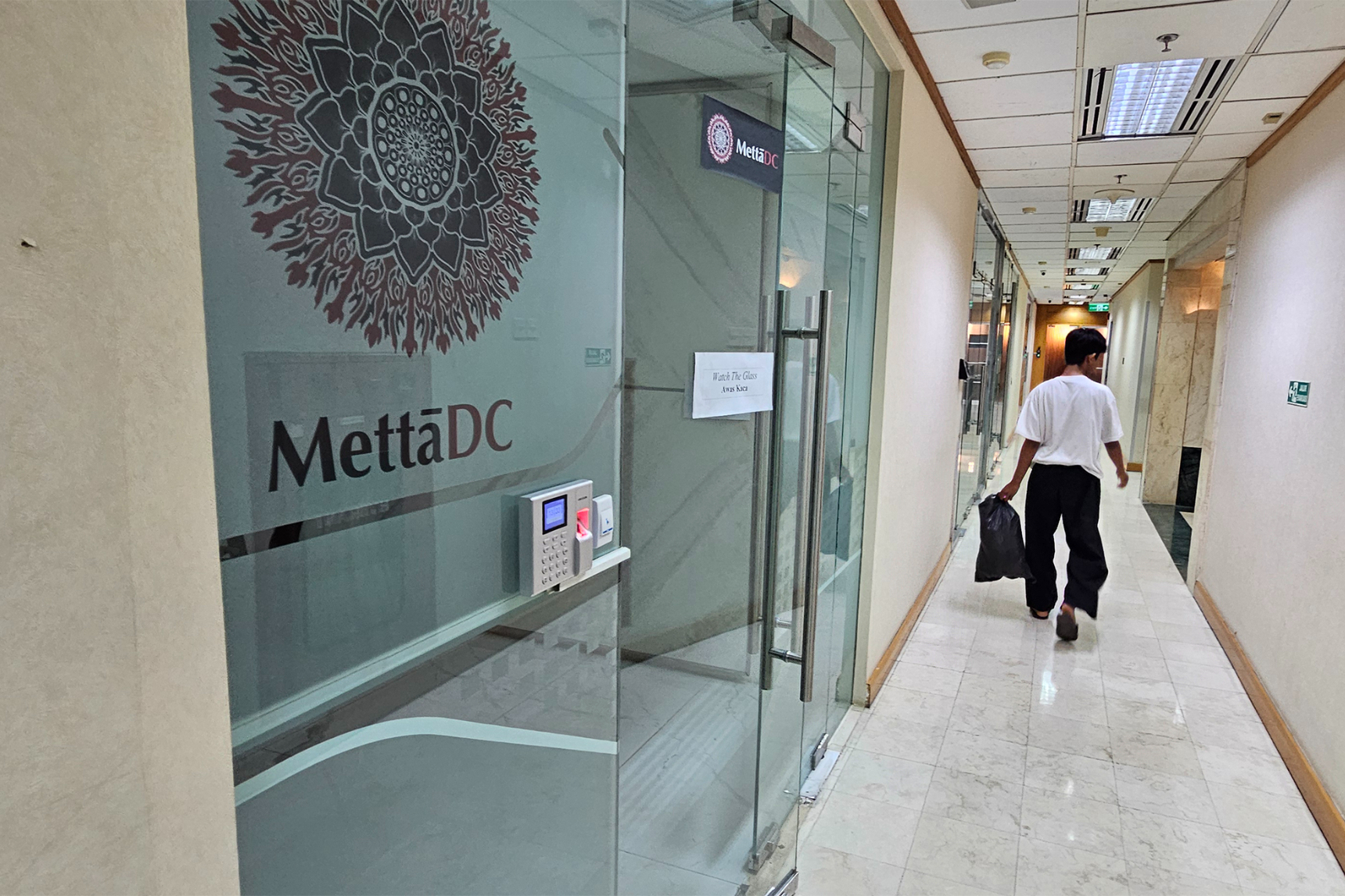
Indonesian police find empty server racks during raid on Megaspeed subsidiary
ASEAN states sign Digital Economy Framework Agreement
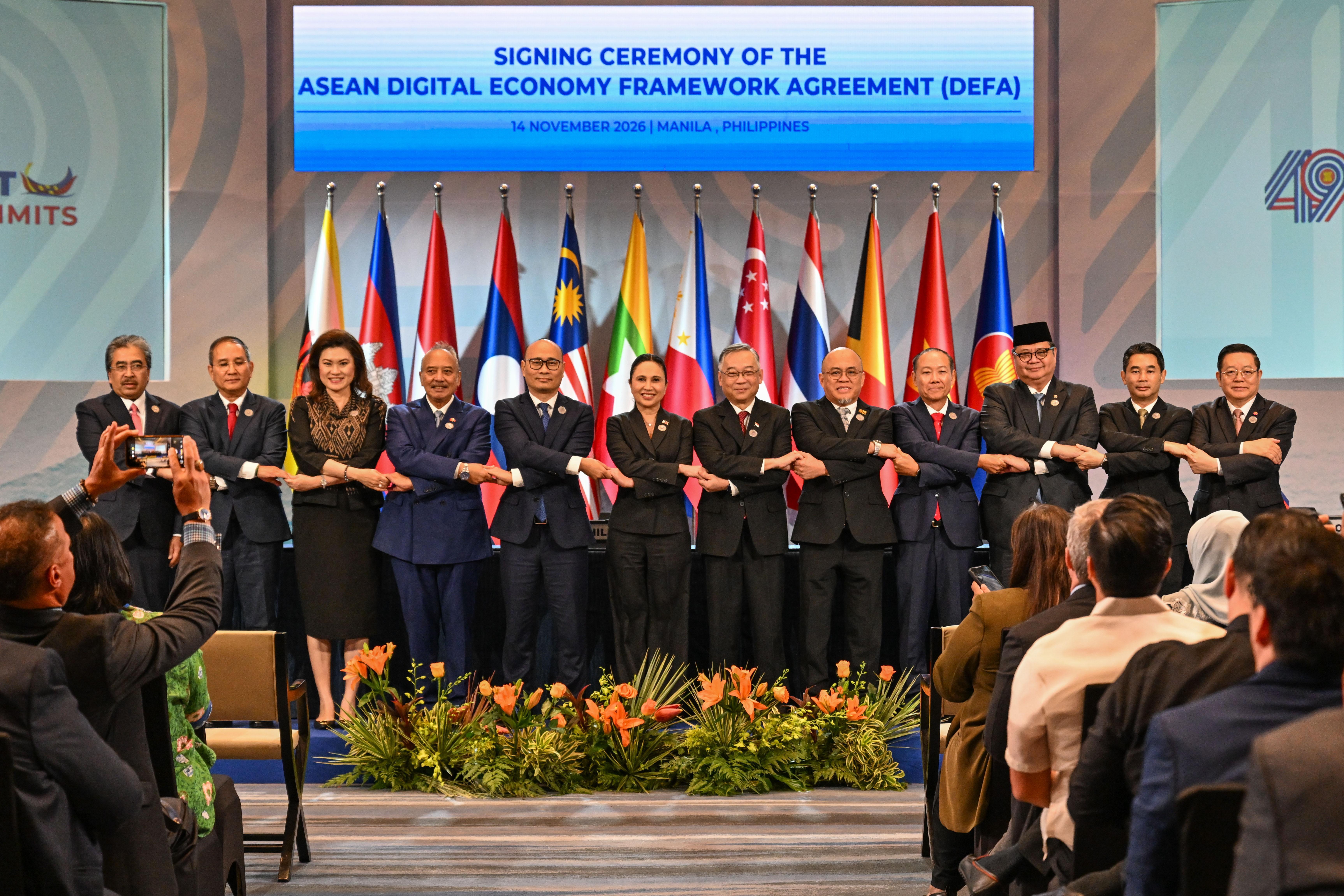
DPM Gan said priority projects under the pact could include digital payment systems and digital identities for businesses.
Washington turns to Tokyo to boost missile reserves, triggering talk over Taiwan
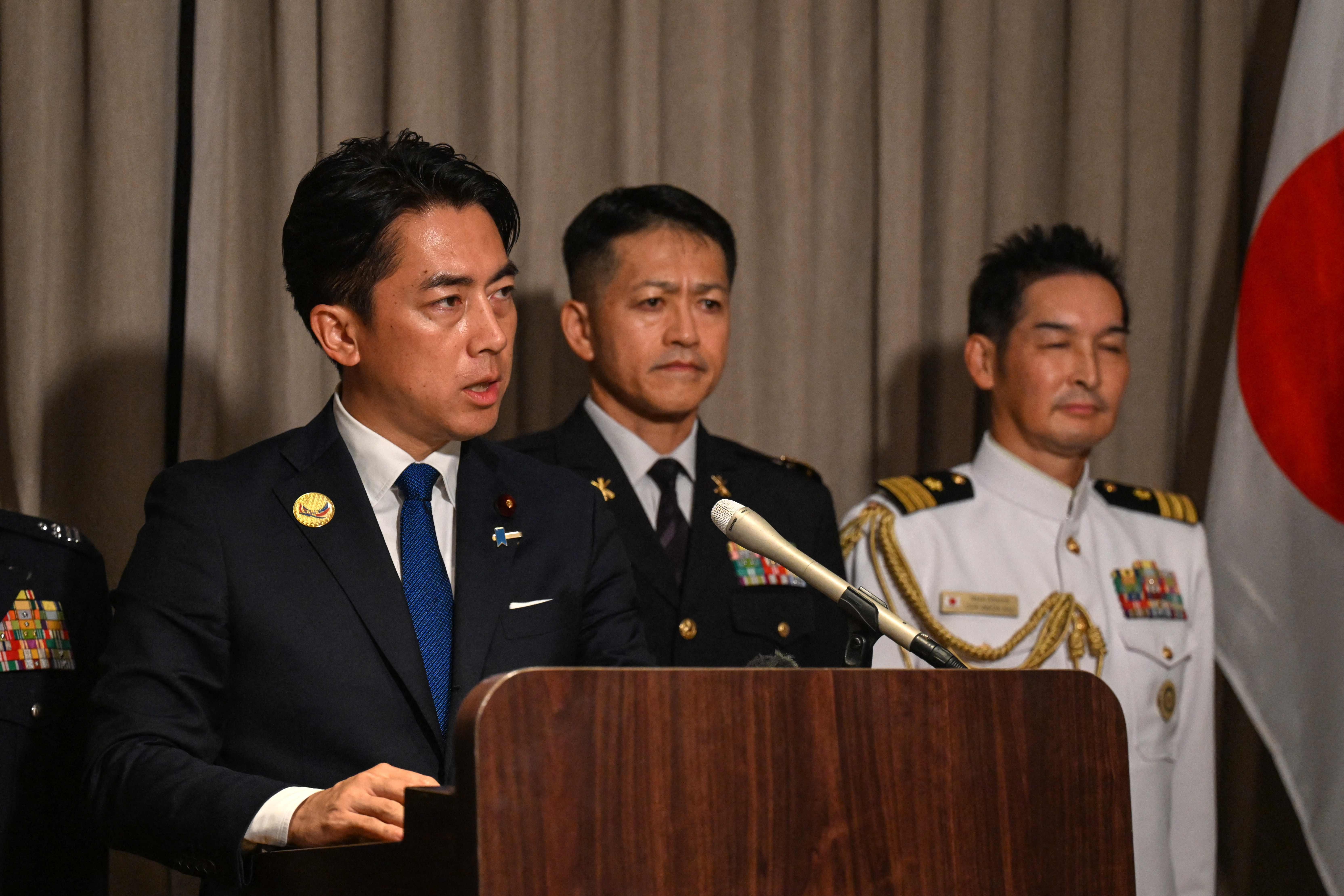
Building air-to-air missiles near Taiwan could ease US backlogs – and China is pushing back
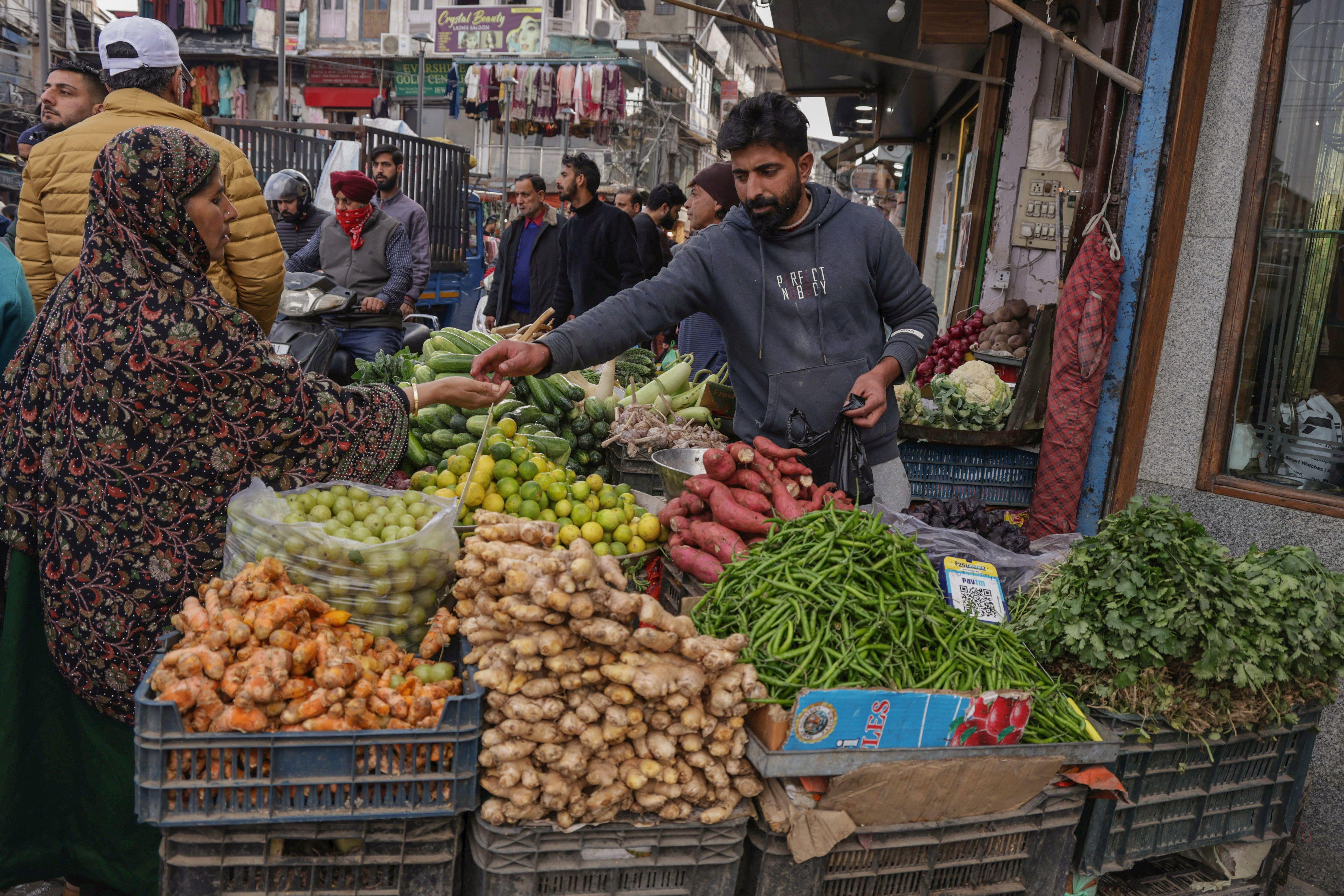
Food inflation jumps in India amid El Nino and biofuel pressures
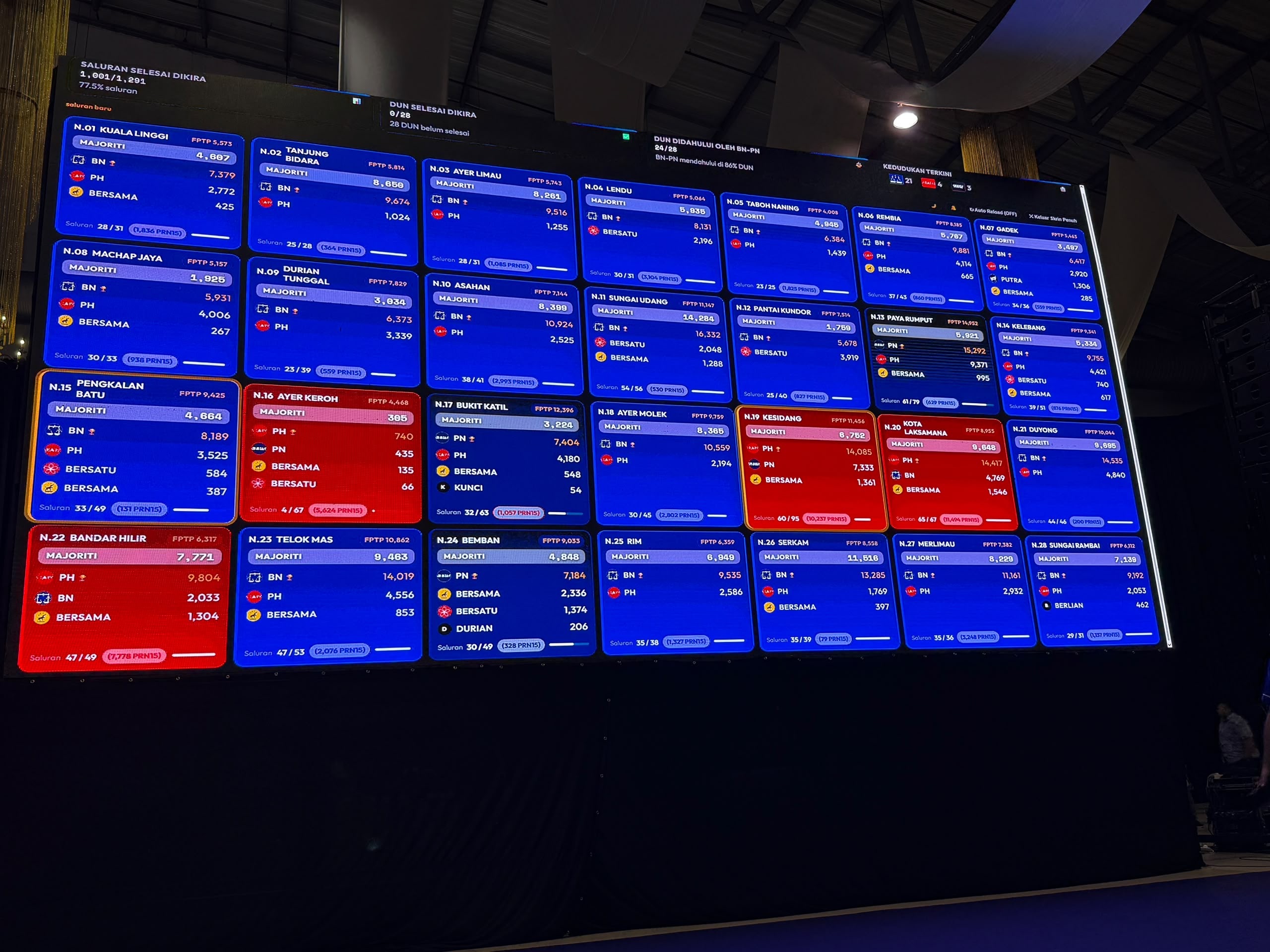
Malaysia’s BN and ally PN declare victory in Melaka state polls in a blow to PM Anwar
Australia hit by worst property slump in decades with prices set to fall further
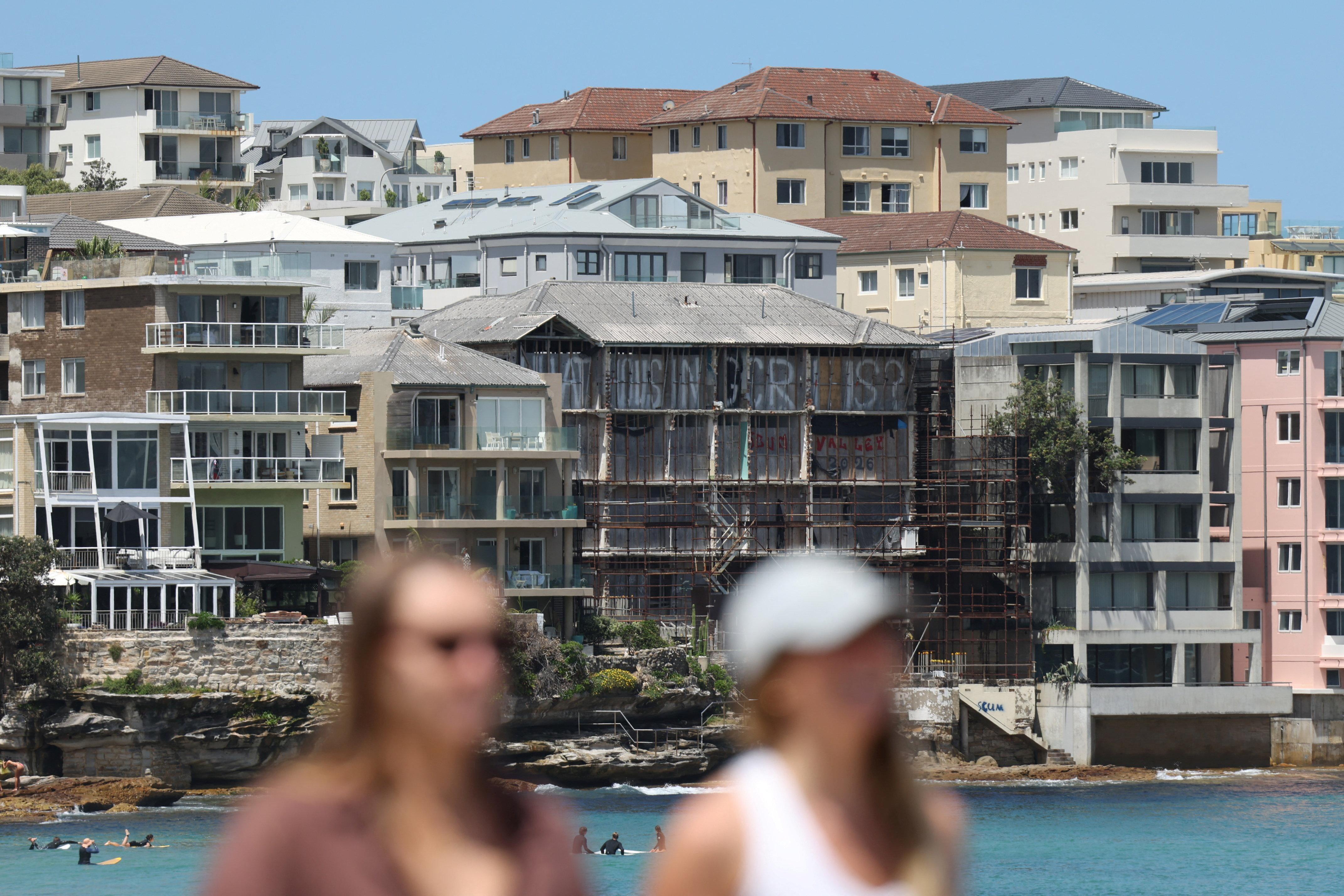
Rapidly falling home prices isn't quite the boon for first-home buyers many might think.
Dancing monk charts a new beat for Buddhism in South Korea

Can palm oil millions save Borneo’s forest and wildlife?
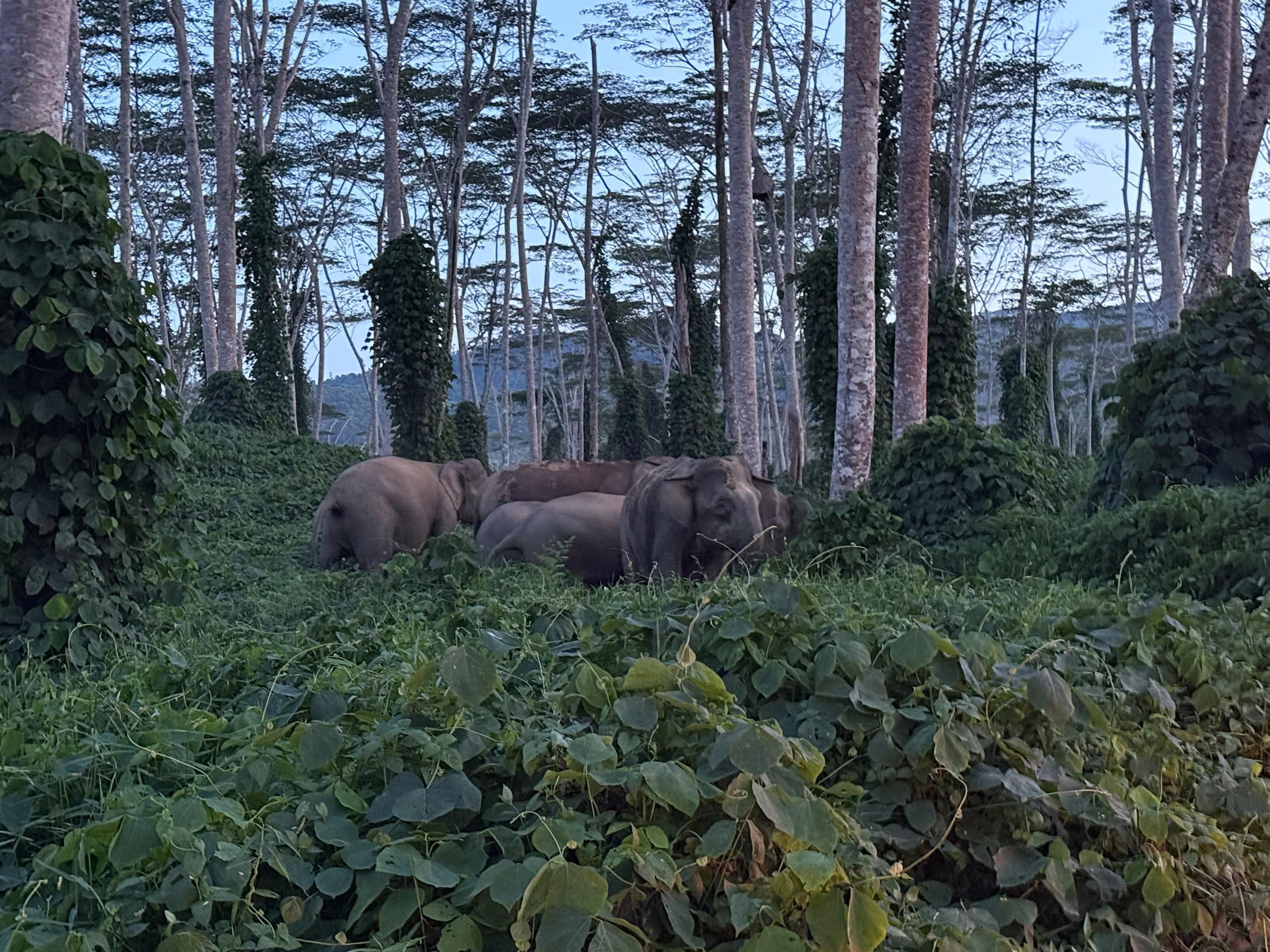
Conservationists say that planting trees and funding isolated projects will not undo environmental damage.
If you received this newsletter from someone, sign up here to get it delivered to your inbox weekly!
If you have any feedback, please drop us an e-mail at st-newsletters@sph.com.sg